Dry stone walls
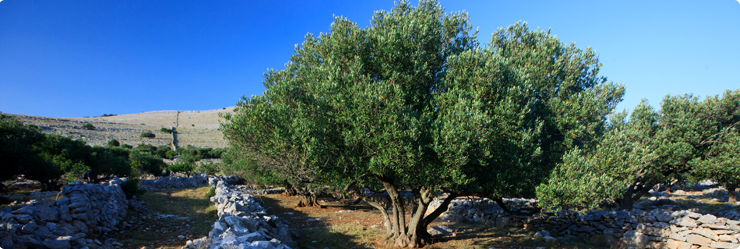
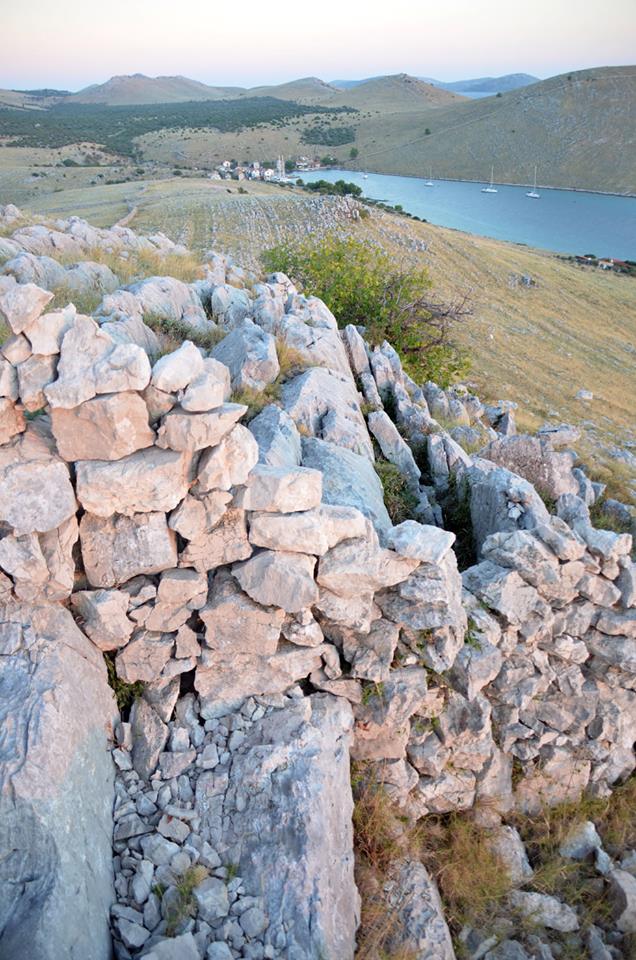
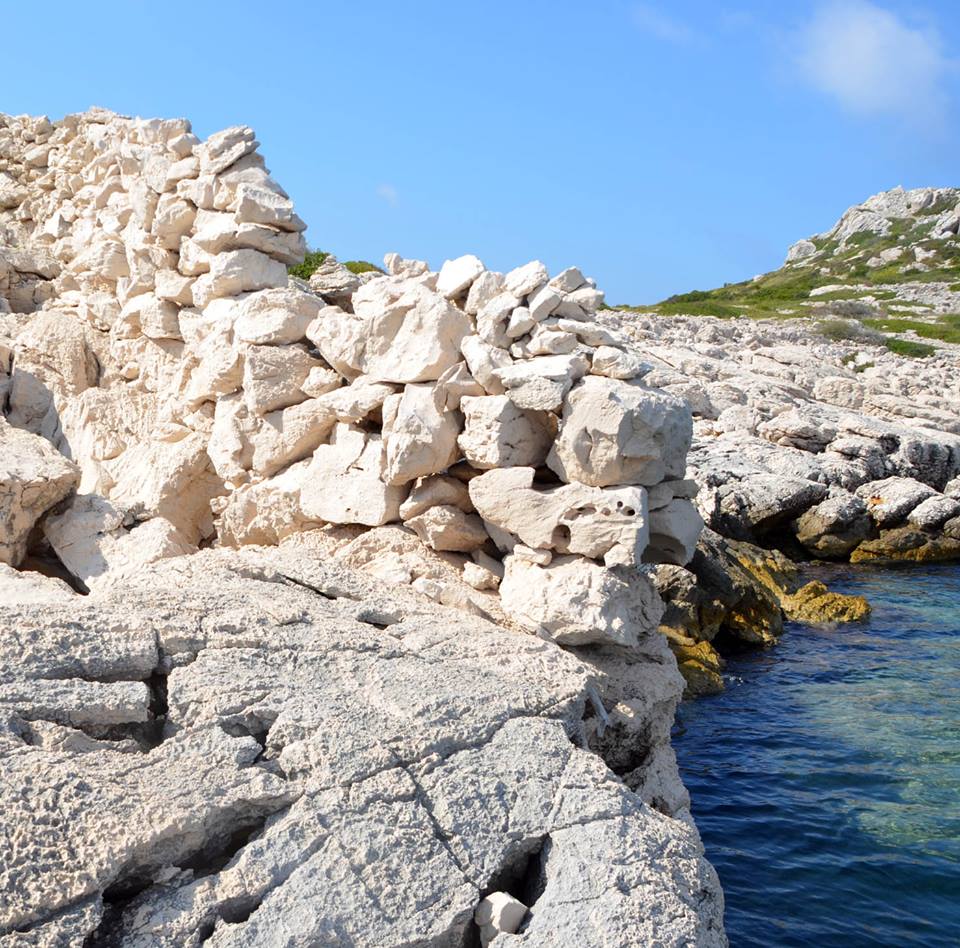
One of the fundamental features of the dry stone walls is their orientation. Because all the bigger islands are elongated, all the walls were built from sea to sea, that is, from one side of the island to the other. A wall is just tall enough that a sheep cannot jump over it and cross to somebody else's pasture. It is thick enough that the wind cannot knock it down. The stones are not bound with mortar and the structural integrity results from the skill in the interlocking of the stones which support each other.
The kilometres long walls that cut over the Kornati islands are definitely one of the biggest tourist attractions. As soon as you see them, they raise questions. Who built them? Why? How much time and effort it took to build them? Who built them? The peasants from the island of Murter, the first Kurnatars. Why? There are several reasons.
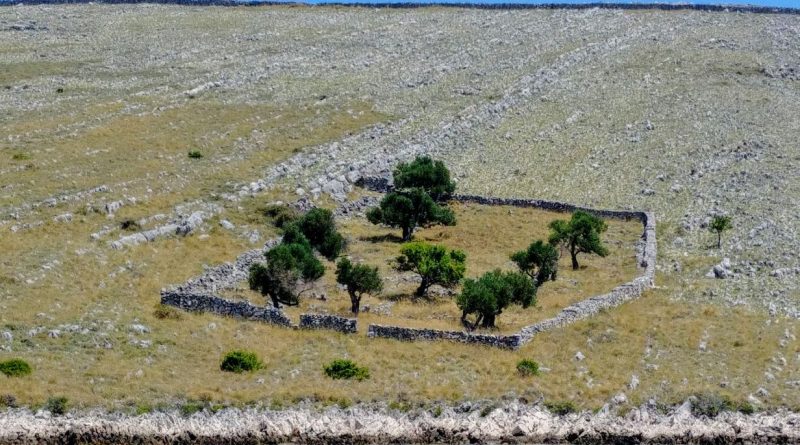
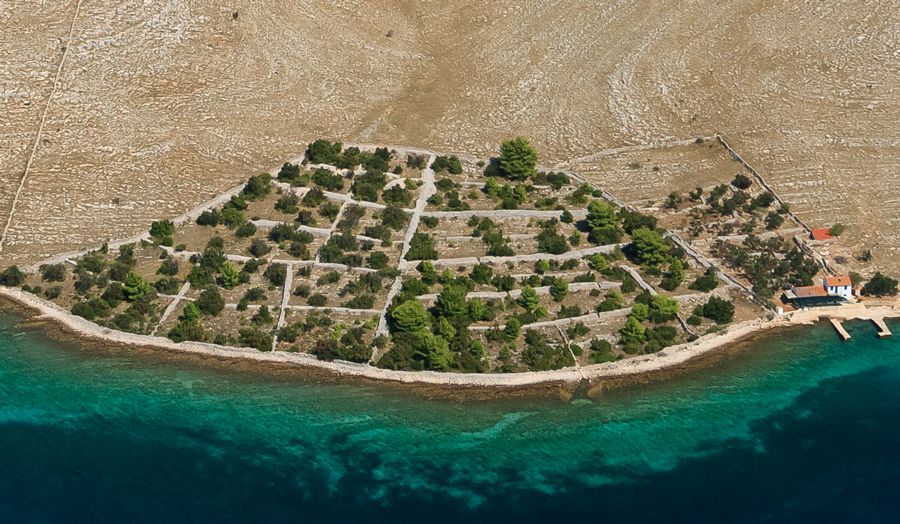
The primary reason was to create boundaries between estates and separate pastures. The largest Kornati walls are really boundaries between estates but the oldest real walls were erected to precisely mark off pastures. Because of frequent absences, a good wall was the guarantee of good neighbour relations – after you return from your domicile, you could be certain you would find your flock on your pasture. Another reason was that rocks were cleared from the land when the people were trying to wrest each foot from karst and scrub in order to plant vines and olives. Those rocks were immediately used to build the walls that protected the crops from the grazing animals as well as from the wind and the salt blown from the sea. How much time and effort it took to build them? Two men (who know how to do it) can build a wall 2 kilometres long (2 metres high and 50-80cm thick) in 150-200 days. It's backbreaking work. They used to work during the day in winter and in summer, to escape the heat, they worked during the night and slept through the day.
Recent fields of stone heaps and cairns degrade karstic environment because delicate microflora depends of undisturbed stone coverage. Appropriate stacking competitions are regularly located near water where natural rythms clean up any landscape changes.